


Dreaming of your next getaway but not sure how much it’ll actually cost? ✈️
Whether it’s a week in Paris, a road trip through Spain, or a beach escape in Thailand, creating a trip budget is the secret to turning travel dreams into reality minus the financial stress (because who wants to be stressed on their vacation?).
With just a little planning, you can save smarter, spend confidently, and make sure every dollar goes toward the moments that matter most.
When you purchase items through links on my site, I earn a tiny commission at no cost to you.
Thank you for purchasing through me- you’re the best! 🤩
- Why Creating a Trip Budget Matters
- Steps to Create a Trip Budget
- Step 1: Choose Your Destination and Timeline
- Step 2: Break Down the Key Budget Categories
- Step 3: Estimate Your Daily Costs
- Step 4: Add a Cushion for the Unexpected
- Step 5: Work Backwards to Build a Savings Plan
- Step 6: Use Tools and Calculators to Stay Organized
- Step 7: Stay Flexible and Adjust as You Go
- Sample Trip Budgets
- Common Mistakes to Avoid When Building a Trip Budget
- My Favorite Travel Websites
- Questions about Creating a Trip Budget
- Final Thoughts about Creating a Trip Budget
💰 Hey! Download my FREE Trip Cost Calculator inside the ⭐️Travel Resource Library⭐️. It’s a plug-and-play spreadsheet that keeps your numbers organized and helps you see where you can save.
Why Creating a Trip Budget Matters
It doesn’t matter if you’re backpacking across Southeast Asia or splurging on a honeymoon in Paris.
Your trip budget is the foundation of your travel plans.
Without one, it’s easy to overspend on flights, underestimate food costs, or forget little expenses like airport transfers. A good budget helps you:
- Save with intention
- Prioritize what matters most (fancy hotel vs. food tours vs. day trips)
- Avoid money stress while traveling
- Come home without credit card debt haunting you
Think of your budget as a sanity-saver. It gives you the freedom to enjoy your trip without second-guessing every purchase. 🎉
Steps to Create a Trip Budget
The good news is that creating a trip budget is fairly simple. I’ll walk you through all the steps below and once you’ve completed them all, then it’s time to start planning that dream vacay!

Step 1: Choose Your Destination and Timeline
Your destination sets the tone for everything else. A weekend in Iceland will cost differently than two weeks in Thailand. Before you build your trip budget, decide:
- Where you’re going (city, region, or multiple countries)
- When you’re going (high season vs. shoulder season can double costs)
- How long you’ll be there (days, weeks, or months)
👋 HEY! If you’re flexible, compare destinations and dates before locking in. For example, flights to Lisbon in spring may be hundreds cheaper than Paris during the summer, giving you more room in your budget for food and activities.
✈️ Looking for flights? Find your flights here!
Step 2: Break Down the Key Budget Categories
Once you know where and when, start outlining the main pieces of your budget. Every trip should include:
- Flights & Transportation
- International flights, domestic flights, trains, buses, car rentals, fuel, tolls, parking, airport transfers, rideshares.
- Accommodation
- Hotels, hostels, guesthouses, or Airbnb. Include taxes, resort fees, and extras like breakfast if not included.
- Food & Drinks
- Daily meals, groceries, coffee shops, cocktails, wine tastings, snacks.
- Activities & Experiences
- Tours, museum tickets, day trips, cooking classes, outdoor adventures.
- Travel Insurance
- Not glamorous, but essential.
- Miscellaneous & Emergencies
- Souvenirs, shopping, tips, SIM cards, laundry, and “oops” expenses (like losing an adapter).
👋 HEY! Don’t forget entry visas, baggage fees, and vaccinations if they apply to your destination.
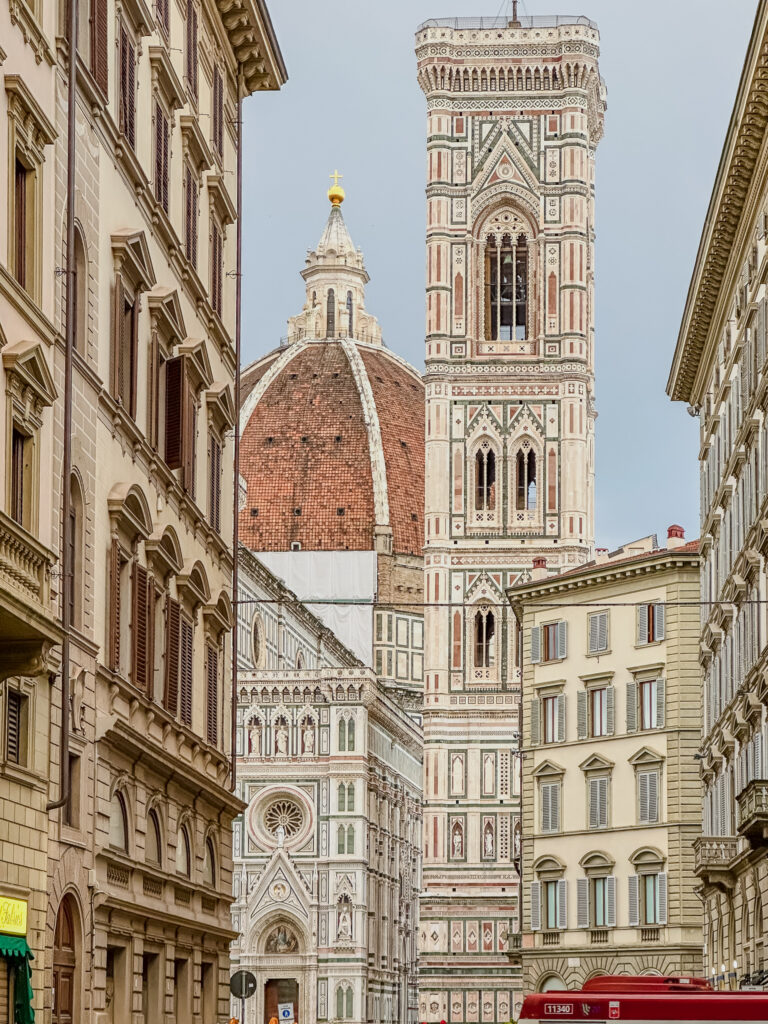
🏨 Check HERE for hotel options at all different price points
Step 3: Estimate Your Daily Costs
Daily costs vary wildly by country. A trip budget for Tokyo looks nothing like one for Bali. To estimate:
- Check travel blogs for average daily spend
- Look up restaurant menus online
- Reference Numbeo for cost-of-living comparisons
Example:
- Italy (mid-range traveler): $80–$120/day for food and activities
- Japan: $100–$150/day
- Thailand: $40–$70/day
- U.S. cities like NYC or San Francisco: $150–$200/day
Multiply the daily cost by the number of days you’re traveling, and you’ll have a realistic baseline for your trip budget.
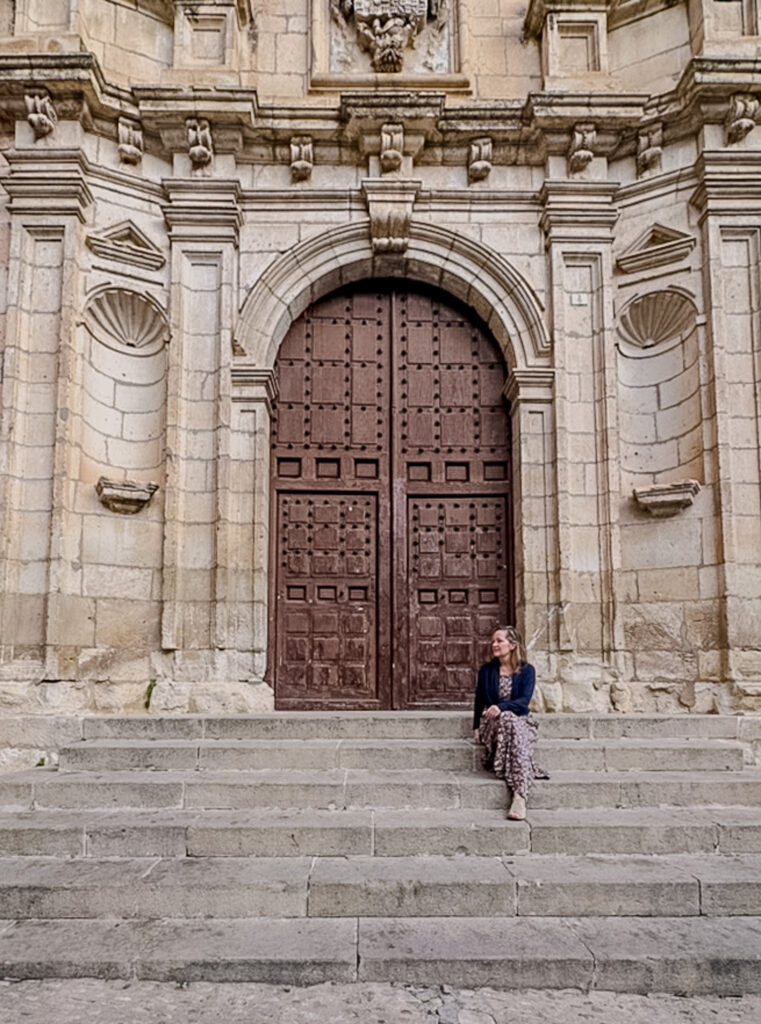
👋 HEY! Want these expenses in a spreadsheet that calculates it for you? Head over to the ⭐️Travel Resource Library⭐️ and download the Trip Cost Calculator I created.
Step 4: Add a Cushion for the Unexpected
Always add 10–20% on top of your trip budget. Why? Because something unexpected always comes up:
- Currency exchange swings
- Extra taxis or trains
- That once-in-a-lifetime hot air balloon ride
- Souvenirs you can’t resist
Having a buffer built in means you don’t have to say “no” to experiences you really want.
🚗 Want your own wheels? Book a rental car for your trip here.
Step 5: Work Backwards to Build a Savings Plan
Now that you know your estimated total, work backward to figure out how much to save each month.
👉 Example:
- Trip to Japan: $4,000
- Timeline: 12 months
- Monthly savings goal: $333
Set up an automatic transfer into a separate travel account or use a savings app to keep your trip fund growing without thinking about it.
Step 6: Use Tools and Calculators to Stay Organized
Spreadsheets and apps make budgeting easy. Here are a few options:
- YNAB (You Need a Budget) or Buddy: Budget Planner App – Track savings goals.
- Travel Spend, Tripcoin, or Trabee Pocket – Track expenses while you’re actually traveling.
- Google Sheets or Excel – Create a simple budget tracker or download my Trip Cost Calculator from the ⭐️Travel Resource Library⭐️. where it’s already created for you.

Step 7: Stay Flexible and Adjust as You Go
Budgets aren’t set in stone. If flights come in under budget, reallocate that money toward activities or accommodations. If lodging is pricier than expected, plan more picnics or street food instead of sit-down dinners.
Think of your budget as a living document- adjust it to fit your priorities.
Sample Trip Budgets
To give you a clearer picture, here are three sample trip budgets for a one-week trip (per person).
Europe: 7 Days in Italy
- Flights: $800
- Accommodation: $700 ($100/night)
- Food & Drinks: $560 ($80/day)
- Activities: $300
- Transportation (trains + metro): $200
- Miscellaneous + buffer: $200
Total Trip Budget: $2,760
Asia: 7 Days in Thailand
- Flights: $1,000
- Accommodation: $280 ($40/night)
- Food & Drinks: $280 ($40/day)
- Activities: $250
- Transportation (tuk-tuks, ferries, taxis): $150
- Miscellaneous + buffer: $150
Total Trip Budget: $2,110
U.S.: 7 Days in Washington D.C.
- Flights: $400
- Accommodation: $1,400 ($200/night)
- Food & Drinks: $840 ($120/day)
- Activities: $400
- Transportation (subway + taxis): $150
- Miscellaneous + buffer: $200
Total Trip Budget: $3,390
👉 Looking for travel inspiration? Check out some of my itinerary posts.

Common Mistakes to Avoid When Building a Trip Budget
- Forgetting small expenses: Baggage fees, visas, and airport snacks add up.
- Not accounting for exchange rates: Rates fluctuate so make sure you’re up to date.
- Ignoring seasonality: Summer in Europe is waaay more expensive than spring or fall.
- Overestimating willpower: If you love good food, don’t pretend you’ll only eat at budget cafes. Be realistic. If you love shopping, factor that in too!
- Not adding tips: If you’re traveling to places like the U.S., eating out means adding 20% to the bill.
- Forgetting about bank fees: Don’t forget to account for ATM and foreign transaction fees.
- Skipping travel insurance: A small upfront cost saves thousands if something goes wrong.
⛑️ Travel insurance will save your sanity (seriously)! Insure My Trip works with many different companies to find you the perfect plan.
My Favorite Travel Websites
When you purchase items through links on my site, I earn a tiny commission at no cost to you.
Thank you for purchasing through me- you’re the best! 😍
Ready to plan your trip?
Here are my favorite travel websites to get you started.
✈️ Flights 🏨 Hotels 🚃 Trains
🚗 Car Rental 🤞 Insurance 🏰 Activities
Questions about Creating a Trip Budget
Should I create a separate bank account for my trip budget?
Yes, it’s a smart idea to keep your travel savings separate. A dedicated bank account or savings pot makes it easy to track progress, avoid dipping into funds for everyday expenses (so key), and stay motivated. Many banks (and apps like Ally or Revolut) allow you to create “goal” accounts just for this purpose.
Can I still enjoy a trip on a tight budget?
Absolutely! A small trip budget doesn’t mean missing out. Look for free walking tours, street food markets, off-the-beaten-path places, and public transportation to save money. Many of the most memorable experiences- like hiking, people-watching in a plaza, or exploring neighborhoods- cost nothing at all.
What if I overspend my trip budget mid-trip?
If you overspend, don’t stress—it happens! Adjust by cutting back in another category. For example, if you splurged on a big activity, balance it with more budget-friendly meals or free sightseeing. The key is flexibility: your budget should be a guide. Nothing’s set in stone.
Still have questions? 🤔
Get in touch and I’ll do my best to answer them!
Final Thoughts about Creating a Trip Budget
A trip budget isn’t about restricting yourself, it’s about giving yourself the freedom to enjoy your travels without financial stress. By planning ahead, estimating realistically, and using the right tools, you’ll be able to save smarter, spend wiser, and make the most of your time away.
Because at the end of the day, it’s not about pinching pennies—it’s about creating space for the experiences you’ll remember long after the trip ends.
✅ Ready to start planning?
Visit my free ⭐️Travel Resource Library⭐️ with worksheets, checklists, and calculators—including my Trip Cost Calculator—to make building your next trip budget easy.
Happy travels… 💰✈️




Leave a Reply