
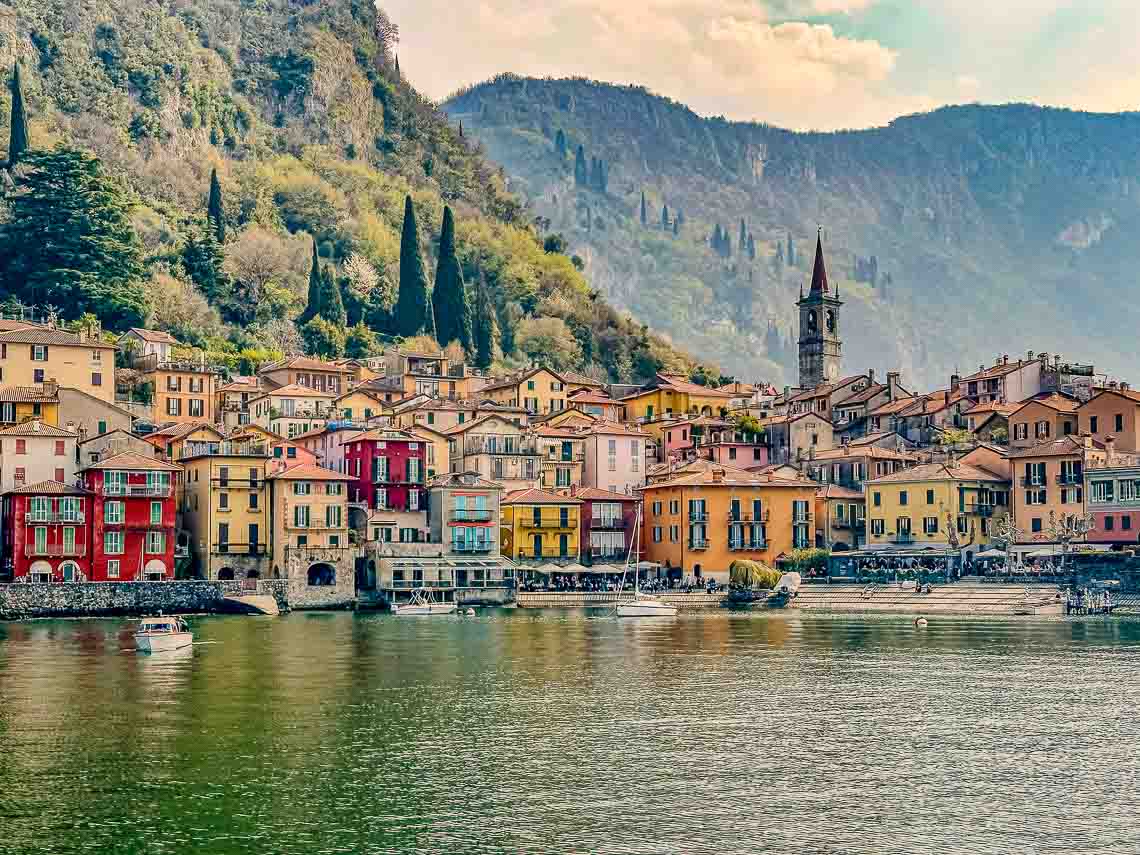

Crowded squares, packed trains, long lines, and restaurant reservations made weeks in advance. That may be how many people experience Europe, but it doesn’t have to be that way.
One of the easiest ways to enjoy a calmer and often more affordable European vacation is to change when you go.
Shoulder season travel in Europe falls between the busy summer season and the quieter winter months. In most destinations, that means traveling in spring or fall, when the weather is still pleasant but the largest crowds have gone home.
It is absolutely my favorite time to explore Europe.
I’ve wandered through Spanish cities without battling tour groups, driven through Albania before the summer rush, visited quiet English villages, and explored northern Italy when the streets were much more relaxed.
Traveling during shoulder season doesn’t guarantee that you’ll have every castle, beach, or cobblestone street to yourself. But it can give you a version of Europe that feels slower, friendlier, and much easier to enjoy.
When you purchase items through links on my site, I earn a tiny commission at no cost to you.
Thank you for purchasing through me- you’re the best! 🤩
- What Is Shoulder Season Travel in Europe?
- Why Travel to Europe During Shoulder Season?
- European Destinations That Are Better During Shoulder Season
- Is Spring or Fall Better for Europe?
- The Possible Disadvantages of Shoulder Season Travel
- Tips for Planning a Shoulder Season Europe Trip
- Is Shoulder Season the Best Time to Visit Europe?
- Shoulder Season Travel in Europe FAQs
- What Else to Know about Shoulder Season Travel in Europe
- Ready to Start Planning your Shoulder Season Travel in Europe?
What Is Shoulder Season Travel in Europe?
Shoulder season travel in Europe is the period between the peak summer travel season and the quieter winter off-season. It usually occurs from March through May and September through November, although the exact months vary by destination.
For most of Europe, the travel seasons look something like this:
- Peak season: June through August
- Spring shoulder season: March through May
- Fall shoulder season: September through October or early November
- Off-season: Late November through February
These dates are not fixed across the entire continent.
September can still feel like summer along the Mediterranean coast. March may be mild in southern Spain but cold and rainy in northern England. Mountain destinations may have their own peak seasons based on skiing or hiking.
Local festivals, school holidays, and major events can also create temporary surges in visitors.
But overall, spring and fall are usually the best places to start when planning a Europe trip with fewer crowds.

Why Travel to Europe During Shoulder Season?
The most obvious benefit of shoulder season travel in Europe is avoiding the summer crowds. But that’s not the only reason I prefer it.
There are some more things I love about shoulder season in Europe.
You’ll Encounter Fewer Crowds
During July and August, popular European destinations can feel overwhelmed. Narrow streets become difficult to navigate. Famous landmarks are surrounded by tour groups. Restaurants fill quickly, and some attractions require reservations far in advance.
Traveling in April, May, September, or October (March and November are also options where it’s warmer) does not mean Europe will be empty, but the difference can still be significant.
You may have more room to enjoy a plaza, take photos, explore a museum, or sit at an outdoor café without feeling rushed.
It can also be easier to explore smaller cities and towns that receive large numbers of summer day-trippers. Once the busiest part of the season ends, these places often return to a pace that feels more natural.
That slower pace is a big part of why I enjoy shoulder season travel. You spend less time worrying about lines, reservations, and logistics and more time experiencing the destination.
🌎 If you want a Crowd-free Trip to Europe, be sure to read my article to help you plan.
Your Trip May Cost Less
Europe can be expensive, especially during the summer.
Flights, hotels, vacation rentals, rental cars, and tours often cost more when demand is highest. Families are traveling during school breaks, cruise ships are operating full schedules, and popular accommodations know they can charge premium rates.
During shoulder season, prices usually start falling.
Depending on the destination and your dates, you may find lower airfare, better hotel rates, more affordable rental cars, and more choices within your budget.
A hotel that is out of reach in July may become affordable in October. You may even be able to stay closer to the historic center, saving time and transportation costs. Or, like I have several times, you might be upgraded for no cost since the room is unoccupied.
You should never assume everything will automatically be cheaper, especially during holidays or major events. But comparing spring and fall prices with peak summer dates can reveal some significant differences.
📲 Read How to Create a Trip Budget post complete with a downloadable calculator to help you plan.
Local Life Feels More Relaxed
Peak tourism puts a lot of pressure on local communities. By late summer, restaurant servers, hotel employees, shop owners, and tour guides may be exhausted. And I completely understand.
But when the busiest season ends, the atmosphere changes.
Restaurants feel less rushed. Shopkeepers may have more time to talk. Tour guides can answer extra questions. Locals are not trying to move through streets packed with visitors. This is also true in DC where I’m a local- cherry blossom season is overwhelming.
I’ve often found that shoulder season creates more opportunities for genuine interactions because both visitors and residents have more room to breathe.
That doesn’t mean every conversation will turn into a meaningful cultural exchange. But it is easier to connect with a place when the people who live there are not completely overwhelmed by tourists.
🇪🇺 Be sure to look at these Mistakes to Avoid When Planning a Trip to Europe to create your best trip.
The Weather Is Often Better for Exploring
Summer sounds like the obvious time to visit Europe– until you’re climbing the Duomo in Florence in 95-degree heat.
Many European cities are best explored on foot. You may spend hours walking through historic centers, climbing castle steps, visiting outdoor markets, or wandering between neighborhoods.
That can be especially exhausting during a heat wave.
Spring and fall often bring more comfortable temperatures for sightseeing. You may still need a light jacket or umbrella, but walking ten miles around a city is so much easier when the temperature is 65 degrees instead of 95.
The weather varies widely, so research your specific destination. Southern Spain can remain warm well into fall, while northern Europe may feel chilly by October.
Even so, milder temperatures are often a major advantage on walking-heavy trips.
Shoulder season can also be better for outdoor activities such as hiking, cycling, countryside drives, and walking tours. You are less likely to spend the entire day searching for air conditioning or the nearest patch of shade.
It’s Easier to Be Flexible
Peak-season trips often require careful planning.
Popular hotels sell out. Train reservations disappear. Timed museum tickets become limited. The best restaurants might need to be booked days or weeks ahead.
During shoulder season, you have more flexibility.
You should still reserve anything especially important, but you may have more room to adjust your itinerary, add a last-minute tour, or change plans if the weather shifts.
You might decide to stay an extra night in a town you love or visit a nearby village you didn’t know about before you arrived. Or just eat dinner at that incredible restaurant one more time.
That flexibility makes travel feel less like a checklist and more like an experience.
Europe Is Beautiful in Spring and Fall
In spring, gardens begin to bloom, café terraces reopen, and cities come back to life after winter. The days grow longer, but the summer crowds have not yet arrived.
Fall brings cooler air, changing leaves, harvest festivals, seasonal menus, and a cozy atmosphere.
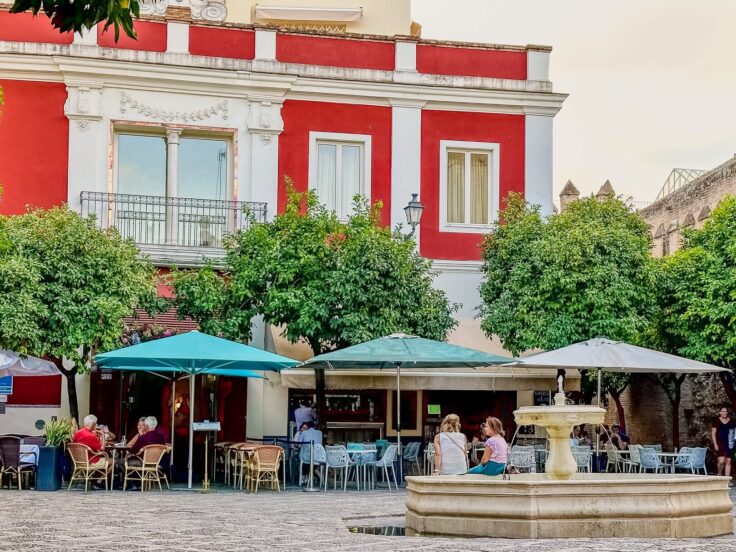
Imagine walking through an English village surrounded by autumn leaves, eating a hearty meal in northern Italy, or sitting in a Spanish plaza on a warm October evening.
These seasonal details can make a familiar European destination feel completely different.
European Destinations That Are Better During Shoulder Season
Some destinations benefit more from shoulder season travel than others, especially places where summer heat, traffic, or day-trip crowds can take over.
These are just a few places I’ve visited that are particularly well suited to spring and fall travel.
Spain
Spain is one of my favorite countries in Europe, but parts of it can become extremely hot and crowded in summer.
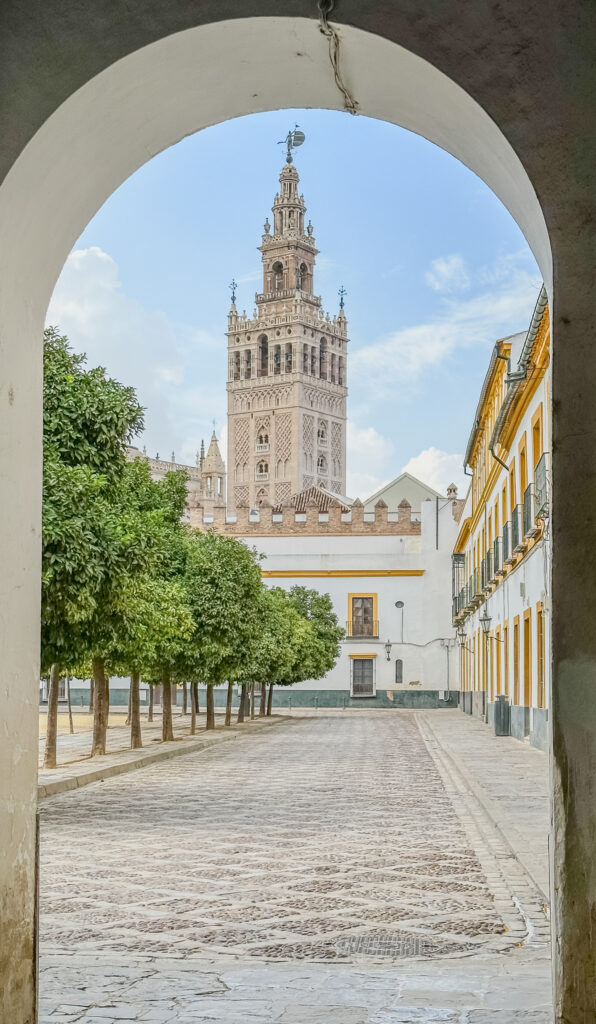
Cities such as Madrid, Salamanca, Segovia, Cáceres, and Cuenca involve a lot of walking through stone streets, steep hills, and open plazas, making spring and fall much more comfortable.
Madrid is still lively year-round, but May and October are excellent for walking through Retiro Park, visiting museums, and spending time in neighborhoods such as La Latina.
Smaller cities can feel even better outside peak season.
Segovia’s Roman aqueduct, historic center, and fairy-tale castle are easier to enjoy without heavy day-trip crowds. Salamanca feels especially lively in fall when the students return. You get the energy of a university city without the busiest summer tourism.
Cáceres becomes even more atmospheric in cooler weather. Its stone buildings and medieval streets are the kind of place you want to wander slowly rather than rush through while searching for shade.
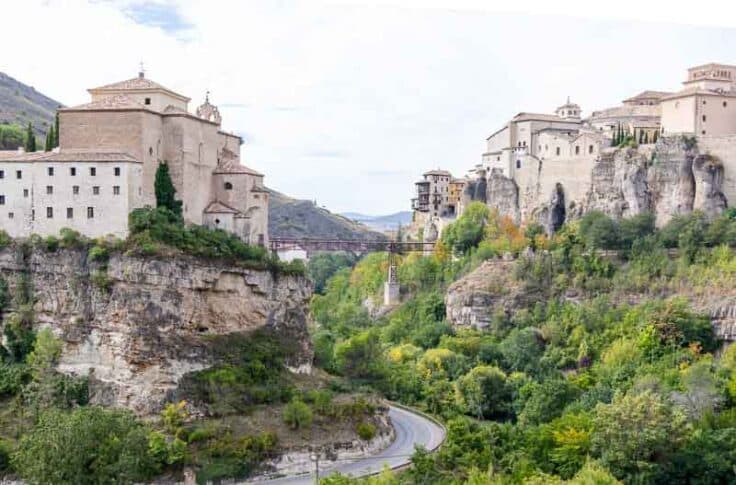
Cuenca’s steep streets, hanging houses, and dramatic viewpoints are also much easier to explore when temperatures are comfortable.
💃 Check out my Central Spain Itinerary if you’re looking to go off the beaten path or my Southern Spain Itinerary if you’re into Moorish tiles and coastline.
Northern Italy
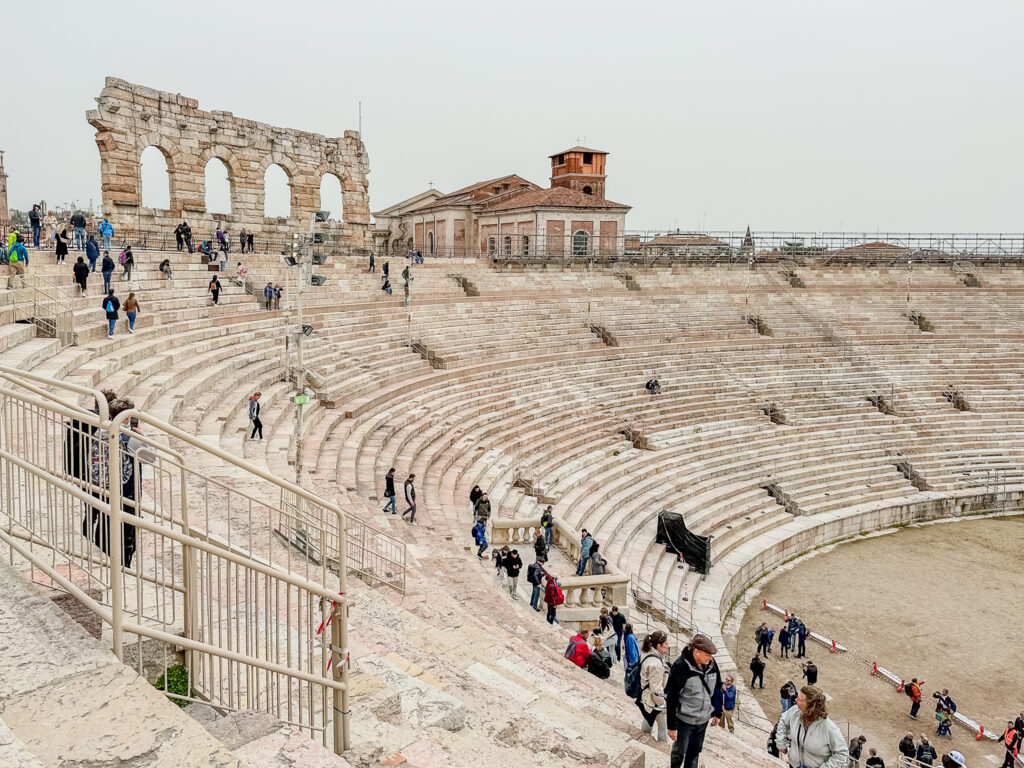
Italy is busy almost everywhere in summer, including cities that are not usually at the top of a first-time itinerary.
Modena is a good example of why northern Italy is such a great shoulder season destination. It is known for balsamic vinegar, Parmigiano Reggiano, traditional pasta, and nearby food producers.
Fall fits the region perfectly, with harvest-season ingredients, cooler streets, and long meals that feel far more appealing than rushing around in the heat.
Spring and fall are also good times to travel through northern Italy by train. You can visit smaller cities, browse markets, stop at local cafés, and enjoy unhurried meals without feeling like every day has to revolve around managing crowds.
There is always a chance of rain, particularly later in fall. But rainy days work surprisingly well in a destination filled with museums, markets, churches, cafés, and plenty of good food.
🚤 Take a look at my Northern Italy Itinerary if you’re looking for gorgeous lake views, historic cities, and incredible food.
Albania
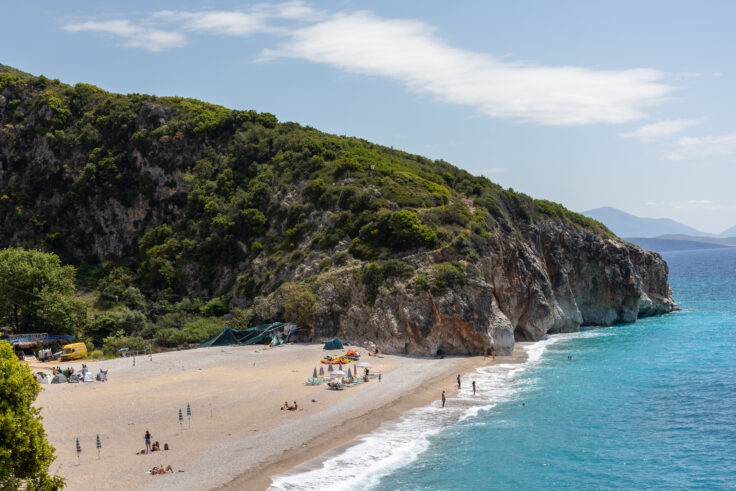
Albania’s southern coast has become increasingly popular, particularly during July and August.
Places such as Ksamil and Dhërmi are beautiful, but their beaches, roads, and restaurants can feel overwhelmed during peak summer.
September may offer a much better balance.
The water can still be warm enough for swimming, but some of the largest summer crowds have started to leave. Hotel prices may drop, and driving can feel less stressful.
Inland destinations also benefit from cooler weather.
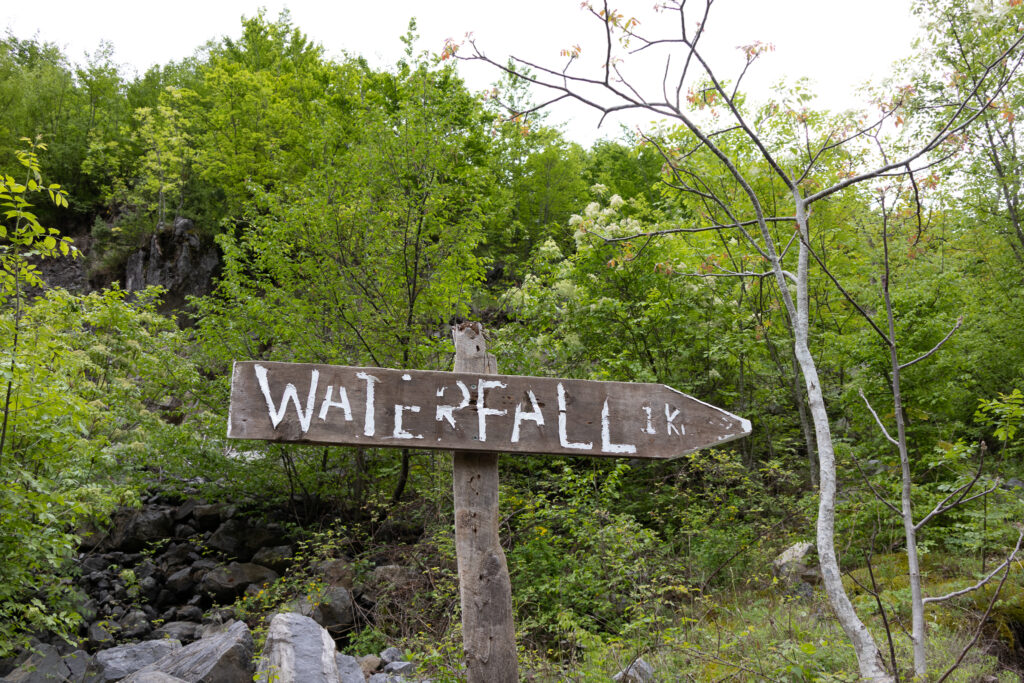
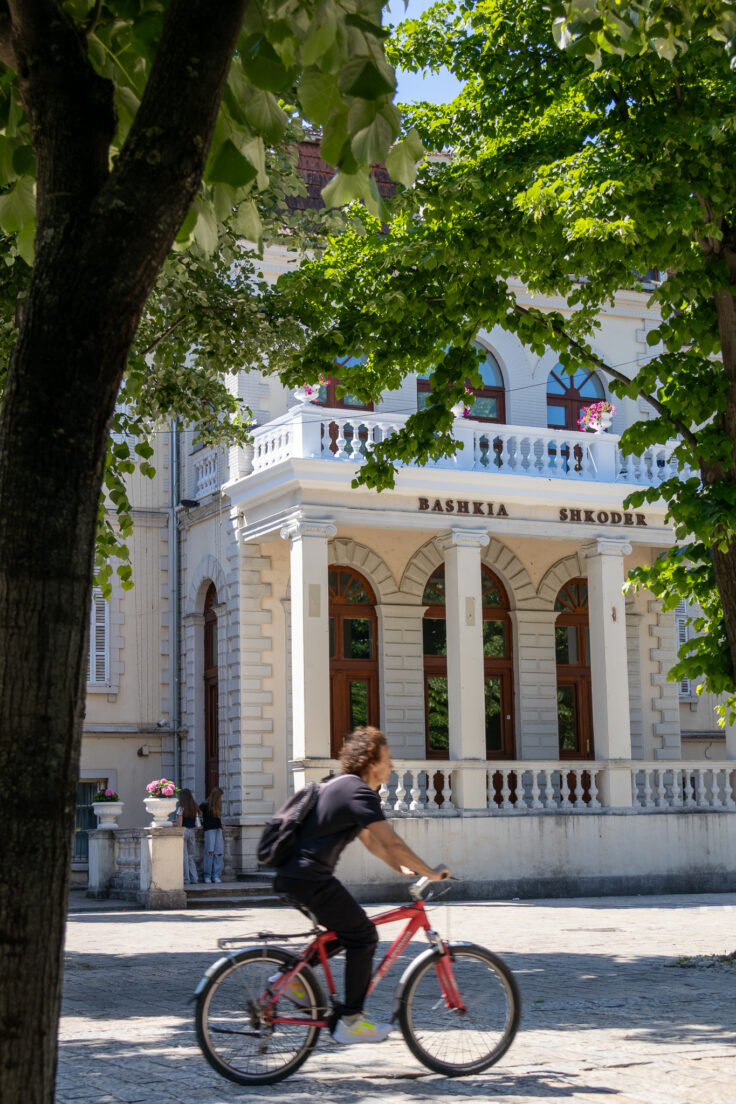
Gjirokastër’s steep stone lanes and hilltop castle are much easier to explore in spring or fall. The cooler temperatures also fit the atmosphere of the old city, where the historic houses and stone streets are best experienced slowly.
Theth can also be rewarding outside midsummer, but mountain conditions require extra planning. Snow, rain, road closures, and reduced services can affect access, so always check local conditions before you go.
🏖️ Looking for a 2 Week Itinerary in Albania? This one includes everything from coast, to mountains, to historic towns.

England
England is never a guaranteed sunshine destination, so waiting for perfect weather can be a losing strategy.
Summer may bring warmer days, but it also brings school-holiday crowds, traffic, and busy attractions.
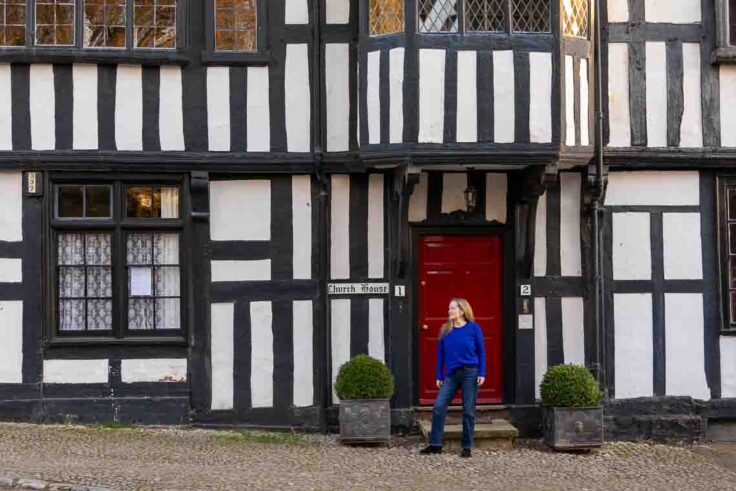
The Cotswolds are especially appealing in spring and fall. Spring brings green landscapes and blooming gardens, while fall adds colorful leaves, cooler walking weather, and the perfect excuse to end the day in a cozy pub.
The region’s small villages have limited parking and can become crowded with tour buses and day-trippers during summer. Visiting on a weekday outside peak season creates a much calmer experience.
Herefordshire is particularly lovely in autumn because of its orchards and cider traditions.
Rye’s cobbled streets and historic buildings are also calmer outside summer, especially if you stay overnight and explore after the day-trippers leave.
Even London can be easier in cooler weather. It is never truly quiet, but its museums, markets, parks, and neighborhoods provide plenty of options when the weather changes.
💂Looking for a 10 Day Itinerary in England? This one includes everything from coastal towns, to cities, to charming towns.

Is Spring or Fall Better for Europe?
Both seasons have advantages.
The best choice depends on your destination, preferred activities, and tolerance for unpredictable weather.
Reasons to Visit Europe in Spring
Spring may be right for you if you want:
- Blooming gardens and green landscapes
- Longer daylight
- Mild sightseeing temperatures
- Fewer crowds before summer
- Outdoor cafés and seasonal festivals
April and May are often excellent months for European travel, while March generally works best in southern Europe.
Spring holidays can affect prices and crowd levels, so check the dates of Easter and local school breaks before booking.
Reasons to Visit Europe in Fall
Fall may be better if you want:
- Lingering summer warmth
- Harvest-season food and wine
- Autumn colors
- Fewer families traveling after school begins
- A cozy atmosphere in historic towns
September is often one of the best months to visit Europe because the weather can still feel summery while crowds begin to ease.
October may bring lower prices and fewer visitors (and is my favorite time to visit Italy and Spain), although the weather becomes less predictable. By November, many destinations are moving into the winter off-season.
The Possible Disadvantages of Shoulder Season Travel
Shoulder season has many advantages, but it’s not perfect.
The weather can be unpredictable, and you may experience sunshine, rain, wind, and cool temperatures during the same trip.
Some attractions, ferries, tours, and restaurants reduce their hours outside summer, especially in coastal, island, or rural destinations. Transportation may also run less frequently.
This is particularly important if your itinerary depends on a seasonal ferry, mountain road, hiking route, or small family-run hotel.
Also, not every destination will be calm all the time.
A festival, conference, cruise schedule, or school holiday can fill a city at any time of year, so be sure to check the local calendar before choosing your dates.

Tips for Planning a Shoulder Season Europe Trip
A little preparation can help you enjoy the advantages without being caught off guard by changing weather or seasonal schedules.
Choose Your Destination Carefully
Southern Europe often works well earlier in spring and later in fall. Northern Europe may be better in late spring or early fall.
Mountain destinations require extra research because snow and seasonal closures can affect transportation and hiking routes.
A September beach trip to Albania requires different planning than an October countryside trip through England.
Pack for More Than One Season
Layers are the key to packing for Europe in spring and fall.
Consider bringing:
- Short-sleeve shirts
- A lightweight sweater
- A waterproof jacket
- Comfortable walking shoes
- A scarf
- A compact umbrella
Choose clothing you can easily add or remove throughout the day. Mornings may be chilly even when afternoons feel warm.
👗 Check out What to Pack for Europe and bring only what you need and nothing you don’t.
Include Indoor and Outdoor Activities
Build a flexible itinerary with a mix of museums, markets, historic buildings, parks, food experiences, and walking tours.
That way, you can rearrange your plans when the weather changes without feeling like you’ve lost an entire day.
Avoid Packing Too Much Into Each Day
Shoulder season is a natural match for slow travel.
Leave room for changing weather, longer meals, spontaneous stops, and destinations that surprise you.
You don’t need to see every single attraction to have a memorable trip. Sometimes a rainy afternoon in a café or an unplanned walk through a quiet neighborhood becomes one of the best parts.
Book Important Experiences in Advance
Crowds may be smaller, but popular attractions still sell out.
Reserve famous museums, limited-capacity tours, popular restaurants, and high-speed trains, then leave the rest of your schedule flexible.
Check Local Holidays and Events
A local festival can be a wonderful reason to visit, but it can also increase prices and reduce hotel availability.
Check holidays, school breaks, sporting events, conferences, and cruise schedules before booking.
Is Shoulder Season the Best Time to Visit Europe?
For many travelers, yes.
Shoulder season travel in Europe offers one of the best combinations of comfortable weather, manageable crowds, lower costs, and authentic local experiences.
You may need a rain jacket or have to adjust your plans because of a rainy afternoon. In exchange, you may get quiet streets, relaxed meals, better hotel choices, and moments that feel less like tourism and more like travel.
I’ll choose that version of Europe whenever I can.
Shoulder Season Travel in Europe FAQs
What months are shoulder season in Europe?
Shoulder season in Europe generally runs from March through May and September through November. Exact dates depend on the destination, climate, and local travel patterns.
Is Europe cheaper during shoulder season?
Europe can be less expensive during shoulder season because flights, hotels, rental cars, and tours may have lower demand than during summer. Prices still vary by destination and event calendar.
Is September a good month to visit Europe?
September is one of the best months to visit Europe. Many destinations still have warm weather, but the largest summer crowds often begin to decline after schools reopen.
Is October too late to visit Europe?
October is my favorite time to visit Europe. It can be an excellent month for city trips, food-focused travel, countryside visits, and fall scenery. Coastal and mountain destinations may have more limited services.
Still have Questions? 🤔
Get in touch and I’ll do my best to answer them!
What Else to Know about Shoulder Season Travel in Europe
There is no single perfect time to travel to Europe.
Every season brings different weather, prices, crowds, and experiences. But for me, spring and fall offer the best balance.
Shoulder season travel in Europe makes it easier to slow down and enjoy the place you worked so hard to visit.
You can walk through a Spanish plaza without searching for shade, explore an Albanian beach town without peak summer traffic, eat your way through northern Italy in comfortable weather, or settle into an English pub after a quiet countryside walk.
Europe may not be empty.
But it can feel calmer, more personal, and much more enjoyable.
And that is often when the best travel moments happen.
Are you considering a spring or fall trip to Europe? Leave a comment and tell me where you’re thinking about going.
Ready to Start Planning your Shoulder Season Travel in Europe?
Check out my Travel Help page for free travel resources including access to my Travel Resource Library full of checklists, planner, and all my travel faves.
Happy travels!

Sign up to my (non-spammy) newsletter for access to the Travel Resource Library with TRAVEL PLANNING checklists, trip budget calculators, and more to make planning easy.




Leave a Reply