


If you’re planning a trip to Spain for the first time, this guide covers everything you need to know — where to go, how long to stay, how to build a Spain itinerary, when to visit, how to get around, and practical travel tips to make your trip smooth and unforgettable.
Spain is one of the easiest and most rewarding countries in Europe to explore — but planning a trip to Spain can feel overwhelming. There are buzzing cities, quiet medieval towns, beach destinations, mountain regions, and wildly different cultural influences depending on where you go.
This Spain Travel Guide covers everything you need for your first time in Spain: places to visit, how many days to plan, how to build a smart Spain itinerary, what time of year is best, how to get around, and practical Spain travel tips to help you plan with confidence.
If you want a trip that feels immersive and relaxing, start here.
When you purchase items through links on my site, I earn a tiny commission at no cost to you.
Thank you for purchasing through me- you’re the best! 🤩
- Why Visit Spain?
- Where to Go in Spain
- Spain Itinerary Ideas by Trip Length
- When to Visit Spain
- How to Get Around Spain
- Where to Stay in Spain
- Spain Travel Budget: What to Expect
- Spain Travel Tips for First-Time Visitors
- What to Pack for Spain
- Is Spain Safe for Solo Travelers?
- FAQs About Planning a Trip to Spain
- Ready to Start Planning Your Trip to Spain?
Why Visit Spain?
If you’re planning a trip to Spain, you’re choosing a country that blends grand architecture, rich history, and a deeply rooted food culture.
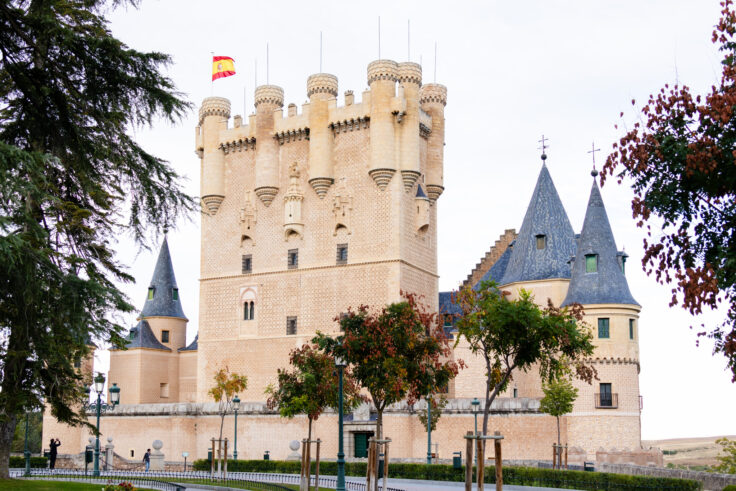
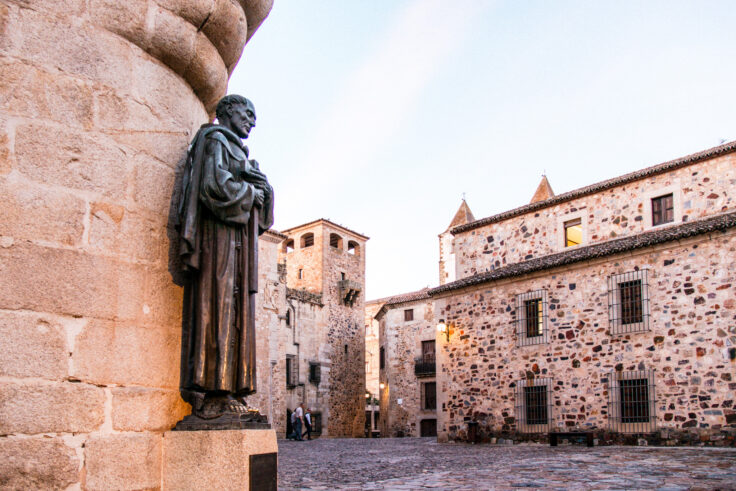
From the Moorish palaces of Granada and the royal landmarks of Madrid to medieval towns like Segovia and Cáceres, Spain delivers both iconic sights and smaller, atmospheric moments.
And Spain is easy to navigate, so it makes for simple travel. High-speed trains connect major cities so you can easily experience regional cultures that feel distinct.
Whether you want a structured Spain itinerary or a slower, immersive experience, Spain offers both energy and ease – which is exactly why so many first-time visitors fall in love with it.
That variety is what makes planning a trip to Spain both exciting and overwhelming at first – there’s so much to see in Spain. The key is choosing the right regions for your time frame and travel style.
Start by understanding how the country is divided — then build your Spain itinerary from there.
Spain Itineraries
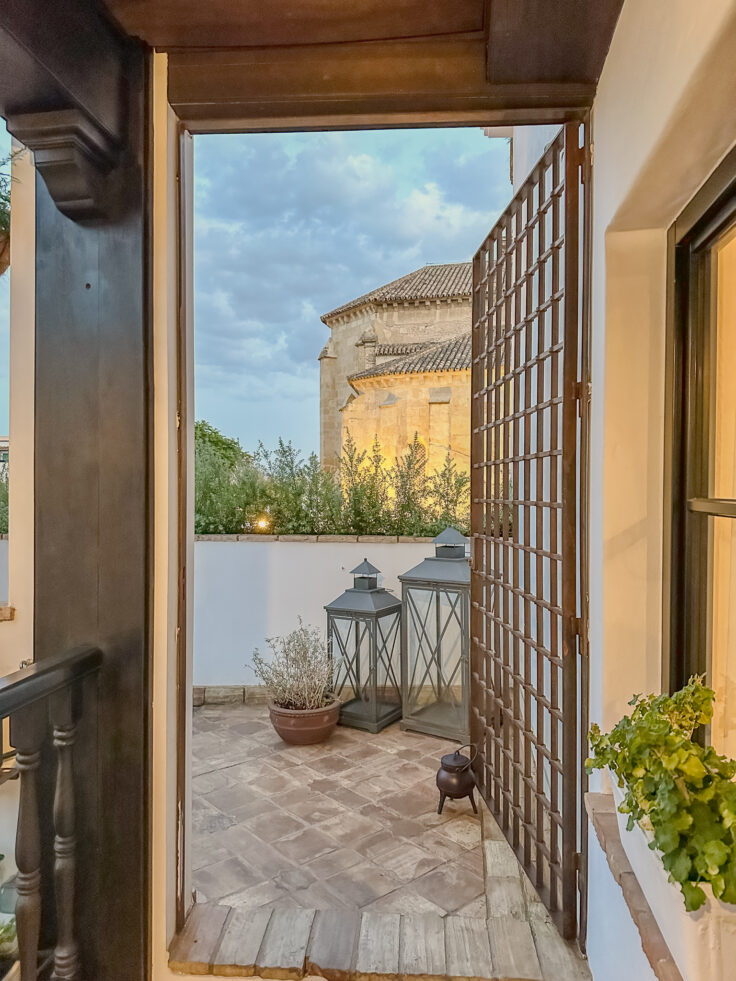
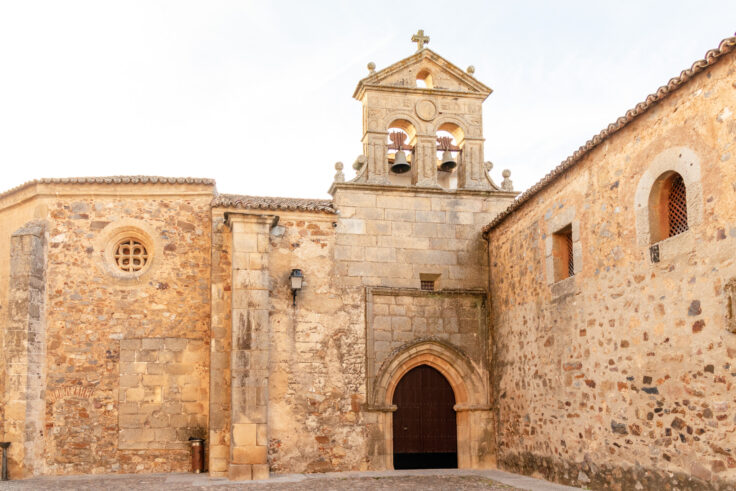
Where to Go in Spain
Spain is incredibly diverse. The key when planning a trip to Spain is choosing two to three regions and giving yourself time to enjoy them.
Here’s a breakdown of the different areas to explore.
Central Spain: Madrid + Historic Towns
Most first-time visitors begin in Madrid, Spain’s vibrant capital and major transportation hub. Madrid offers world-class museums, lively plazas, and a strong food scene — and it connects easily by train to smaller historic cities.
Pair Madrid with:
- Cáceres for medieval architecture and fewer crowds
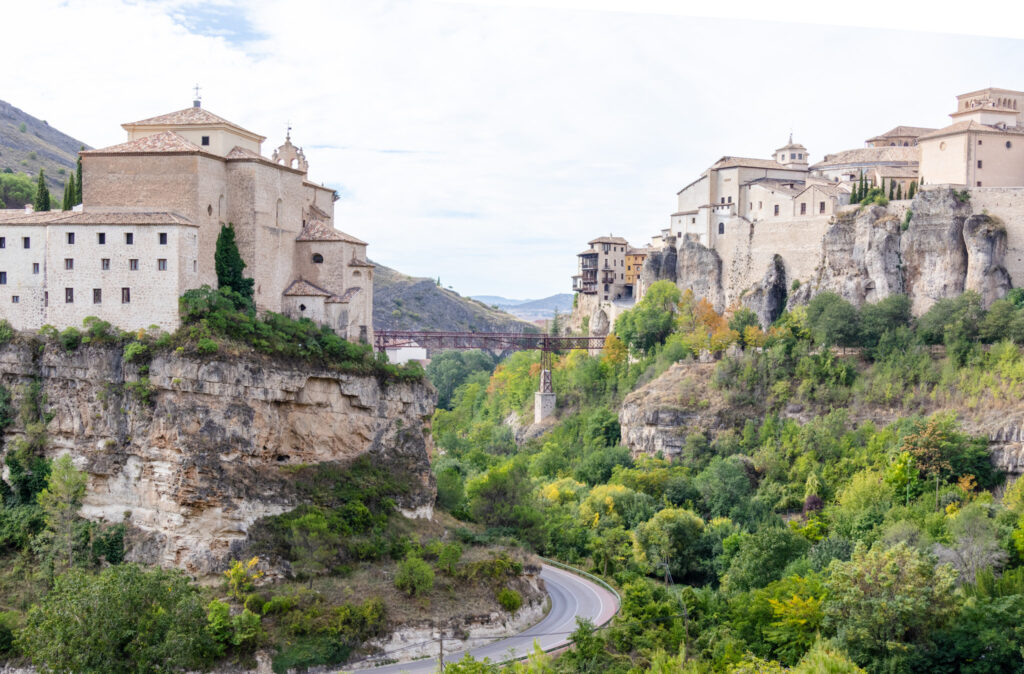
- Cuenca for dramatic cliffside views
- Segovia for castles and ancient aqueducts
- Salamanca for bustling university energy
Best for: Culture lovers, first-time visitors, train-based itineraries
🐂 Check out my Central Spain Itinerary by Train to get off the beaten path in Spain.
Spain City Guides
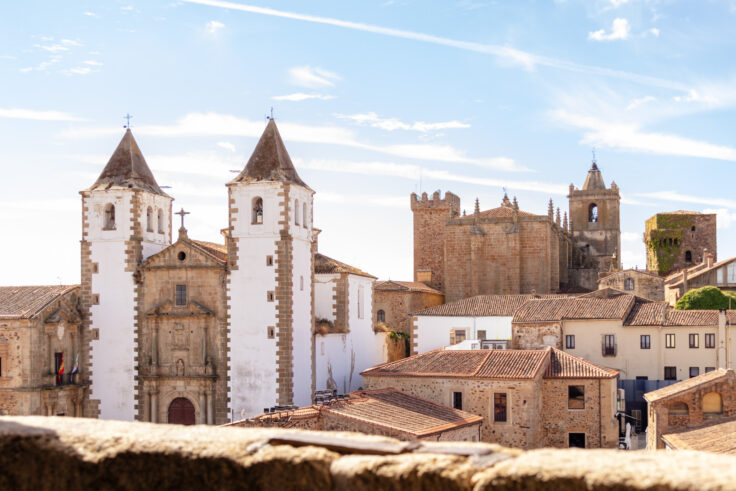
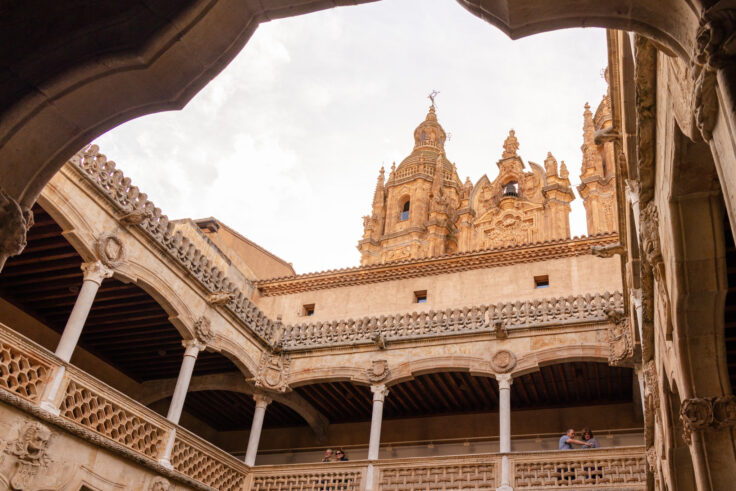


Check here for all my city guides:
- ✔️ Madrid Travel guide
- ✔️ Caceres Travel Guide
- ✔️ Cuenca Spain Travel Guide
- ✔️ Segovia Travel Guide
- ✔️ Salamanca Travel Guide
Andalusia: Southern Spain’s Iconic Cities
If you picture tiled courtyards, Moorish palaces, and warm evenings, you’re thinking of southern Spain.
Top stops include:
- Seville for architecture and atmosphere
- Granada for the incredible Alhambra
- Córdoba for layered history
Best for: Strong visual impact, history, beaches, warm weather
💃 Check out my Southern Spain Itinerary for all the best spots in Southern Spain.

Northern Spain: Coast + Food Culture
Northern Spain feels greener and cooler, with a strong culinary identity.
Consider:
- San Sebastián for beaches and pintxos
- Bilbao for architecture and Basque culture
Best for: Food-focused trips, coastal scenery, fewer tourists, slower pacing

Barcelona & the Mediterranean
Barcelona blends city energy with beach access and distinct Catalan culture. It pairs well with Madrid for a balanced Spain itinerary.
Best for: City + seaside combination
Spain Itinerary Ideas by Trip Length
When planning a trip to Spain, structure matters more than distance. Avoid cramming too many cities into one week. Spain rewards slower travel.
Take a look at my Spain itineraries:
3–5 Day Spain Itinerary
Choose one base.
Option 1: Madrid + a day trip
Option 2: Seville only
Focus on depth, not movement.
🏨 Take a look at Where to Stay in Madrid for First-time Visitors to help you find your perfect place.
7 Days in Spain Itinerary
Combine two regions.
Example:
- Madrid + Seville
- Madrid + Barcelona
This gives you contrast without rushing.
🏰 If you want a truly unique stay, check out the Best Paradors in Spain for your trip.

10 Day Spain Itinerary
A classic first-time route:
- 3 nights Madrid
- 3 nights Seville
- 2 nights Granada
- 1–2 nights Córdoba
This is one of the most efficient and rewarding Spain itineraries for first-time visitors.
But check my itineraries above if you’re looking to get a bit more off the beaten path. They’re both a mix of cities and smaller towns to give you a real feel for this gorgeous country.
14 Days in Spain
Add northern Spain or slow everything down. With two weeks, you can experience both major highlights and smaller towns without constantly packing and unpacking.

When to Visit Spain
Timing can shape your entire experience when planning a trip to Spain. Weather, crowds, and regional festivals vary significantly.
Spring (April–June)
One of the best times to travel to Spain. Mild temperatures, blooming courtyards in Andalusia, and fewer crowds than peak summer.
Best for: Walking-heavy itineraries and city exploration.
Summer (July–August)
Hot, especially in southern Spain. Coastal destinations thrive, but inland cities can exceed 95°F.
Best for: Northern Spain or beach-focused trips.
Fall (September–October)
Excellent shoulder season. Warm weather lingers, and crowds begin to thin.
Best for: A balanced Spain itinerary with comfortable temperatures.
Winter (November–March)
Cooler, but southern Spain stays mild. Fewer tourists and lower hotel prices.
Best for: Budget-conscious travel and city breaks.
If you’re unsure what season fits your style, I break this down further in my Spain packing and wardrobe guides.

How to Get Around Spain
Transportation is one of the easiest parts of planning a trip to Spain.
Trains
Spain’s high-speed AVE trains connect major cities like Madrid, Seville, and Barcelona efficiently.
Best for: First-time visitors building a multi-city Spain itinerary.
🚃 Traveling by train? Book train tickets for your trip here.
Rental Cars
Helpful for:
- Rural Andalusia
- Northern Spain
- Smaller towns not connected by train
Not necessary for major cities.
🚗 Want your own wheels? Book a rental car for your trip here.
Domestic Flights
Useful for long north–south distances but usually unnecessary if you plan your route logically.
If you’re building a train-based route, start with my Spain itinerary suggestions above and cluster cities geographically.
✈️ Looking for flights? Find your flights here!
Where to Stay in Spain
Where you stay in Spain shapes your experience just as much as your route. From historic Paradors set inside castles and monasteries to boutique hotels tucked into walkable city neighborhoods, accommodation here often feels like part of the destination.
If you’re planning a trip to Spain, think beyond generic chain hotels and consider the atmosphere you want to wake up in.
Paradors: Stay Somewhere Historic
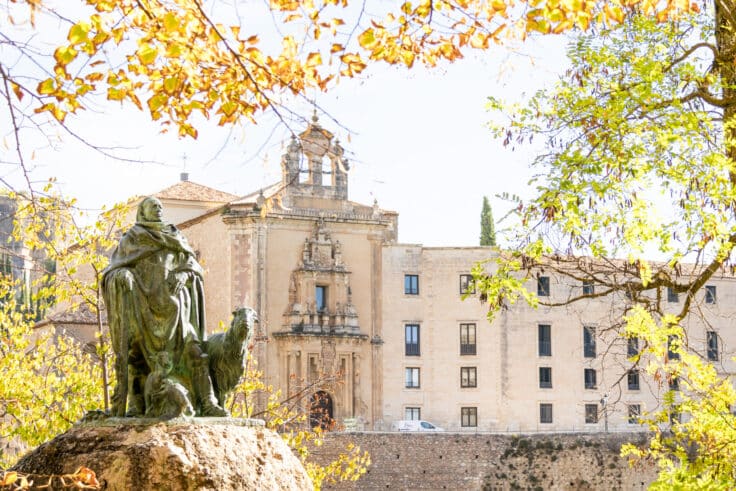
Spain’s Paradores are state-run hotels located in restored castles, monasteries, fortresses, and palaces. They’re one of the most unique lodging options in Europe.
You’ll find them in places like Salamanca, Cáceres, Segovia, and even near Granada.
They’re ideal if you:
- Want historic architecture
- Are visiting smaller cities
- Prefer character over ultra-modern design
🍷 For specific recommendations, see my guide to the best Paradores in Spain.
Boutique Hotels in Major Cities
In cities like Madrid and Seville, location matters most.
Choose:
- Central, walkable neighborhoods
- Easy access to train stations
- Air conditioning in summer
- Smaller hotels with personality
🐂 If Madrid is on your route, start with my guide on Where to Stay in Madrid for the First Time to choose the best neighborhood and hotel.
Guesthouses & Casas Rurales
For a slower, more local feel, look for:
- Family-run guesthouses
- Restored townhouses in medieval centers
- Countryside casas rurales
These often offer better value and a more personal atmosphere, especially in smaller towns.
When planning a trip to Spain, aim to stay at least two nights in each destination. Moving less allows you to enjoy long dinners, early-morning walks, and the rhythm that makes Spain feel different from other European trips.
Where to stay in spain

Spain Travel Budget: What to Expect
Spain is more affordable than many Western European destinations, but costs vary by region.
When planning a trip to Spain, budget for:
- Flights (major airport hubs include Madrid and Barcelona)
- Accommodation (boutique hotels, Paradors, apartments)
- Train tickets
- Museum entries
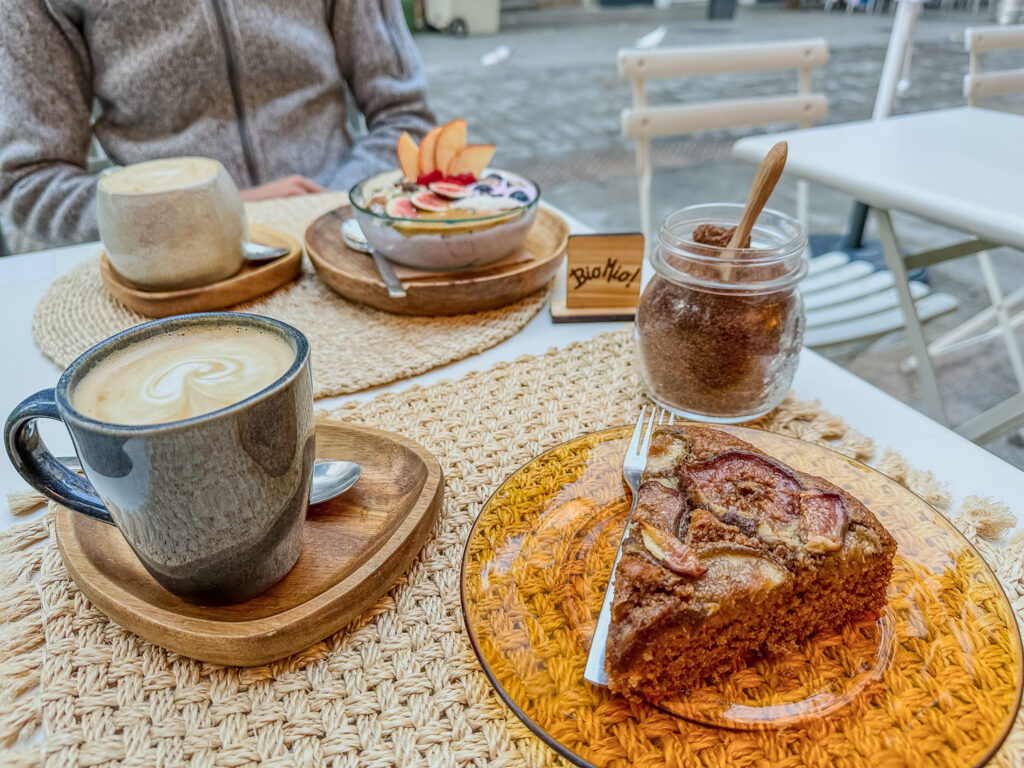
- Food (which can range from budget tapas to high-end dining)
💰For a detailed breakdown and calculator, see my full Trip Budget Guide + free trip budget tool inside the Travel Resource Library.
And if you want to see exactly how little I spent on one of my trips, check out my Spain travel cost breakdown post.
Spain Travel Tips for First-Time Visitors
A few practical Spain travel tips can make your trip smoother.
- Dinner is late (often 8:30–10:30 p.m.)
- Tipping is modest, not mandatory
- Book Alhambra tickets in advance
- Stay at least two nights per city
- Pickpocketing exists in major cities — use a secure bag
- Learn a few basic Spanish phrases
🥘 Check out my post on Best Things to Eat in Spain if you want to try all the Spanish foods.
What to Pack for Spain
Packing depends on region and season, but a few things consistently matter when planning a trip to Spain:
- Comfortable walking shoes
- Lightweight layers
- A crossbody or anti-theft bag
- Dressier outfit for evenings
- Plug adapter (Type C or F)
For outfit ideas and practical wardrobe planning, take a look at my Capsule Wardrobe Guides for packing inspo.
And consider an Anti-Theft Purse to make sure your trip runs smoothly.
🍿 If you want to dive deeper into the culture, or just need something for the trip, check out my Books and Movies for Your Trip to Spain.
Is Spain Safe for Solo Travelers?
Yes — Spain is considered one of the safest countries in Europe for solo travel.
Like anywhere, stay aware in crowded tourist areas, especially in Madrid and Barcelona. But overall, Spain is welcoming, walkable, and easy to navigate independently.
⛑️ Travel insurance will save your sanity (seriously)! Insure My Trip works with many different companies to find you the perfect plan.
For more safety guidance, see my post on travel safety for solo women and anti-theft purses for Your Trip to Europe.
When you purchase items through links on my site, I earn a tiny commission at no cost to you.
Thank you for purchasing through me- you’re the best! 😍
Ready to plan your trip?
Here are my favorite travel websites to get you started.
✈️ Flights 🏨 Hotels 🚃 Trains
🚗 Car Rental 🤞 Insurance 🏰 Activities
FAQs About Planning a Trip to Spain
How many days do you need in Spain?
7–10 days is ideal for a first-time Spain itinerary. This allows you to visit two regions without rushing.
Is Spain expensive to visit?
Spain is moderately priced. Southern Spain and smaller cities are more affordable than Barcelona and peak-season destinations.
Do you need a car in Spain?
Not for major cities. Spain’s train network makes it easy to travel between cities and even smaller towns. And buses are an easy option as well.
Is Spain good for a first European trip?
Yes. Spain combines strong infrastructure, excellent train connections, walkable cities, and diverse cultural experiences.
Still have Questions? 🤔
Get in touch and I’ll do my best to answer them!
Ready to Start Planning Your Trip to Spain?
Planning a trip to Spain doesn’t have to feel complicated. Once you choose your regions, structure a logical Spain itinerary, and understand transportation, everything else falls into place.
Spain rewards thoughtful planning — and a little slower pacing.
If you’d like help refining your route, choosing hotels, or building a personalized itinerary, visit my Travel Help Page. There you can explore my custom Spain itinerary planning services and sign up for access to my Travel Resource Library for checklists, budget tools, and planning templates.
Happy travels! 🇪🇸



Leave a Reply